How to Naturally Support Healthy Blood Sugar Levels (Science-Based Guide)
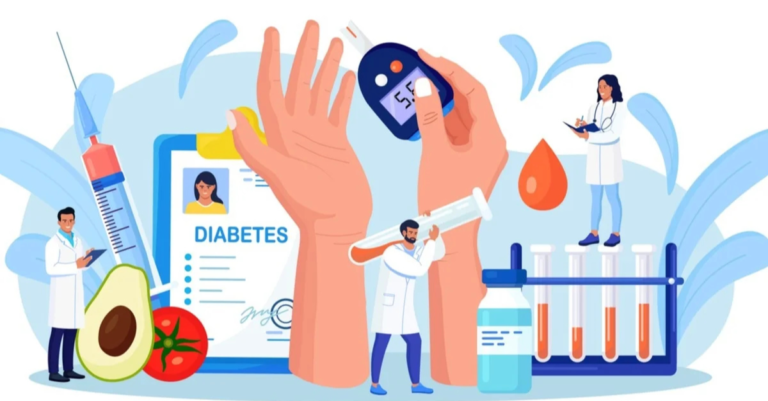
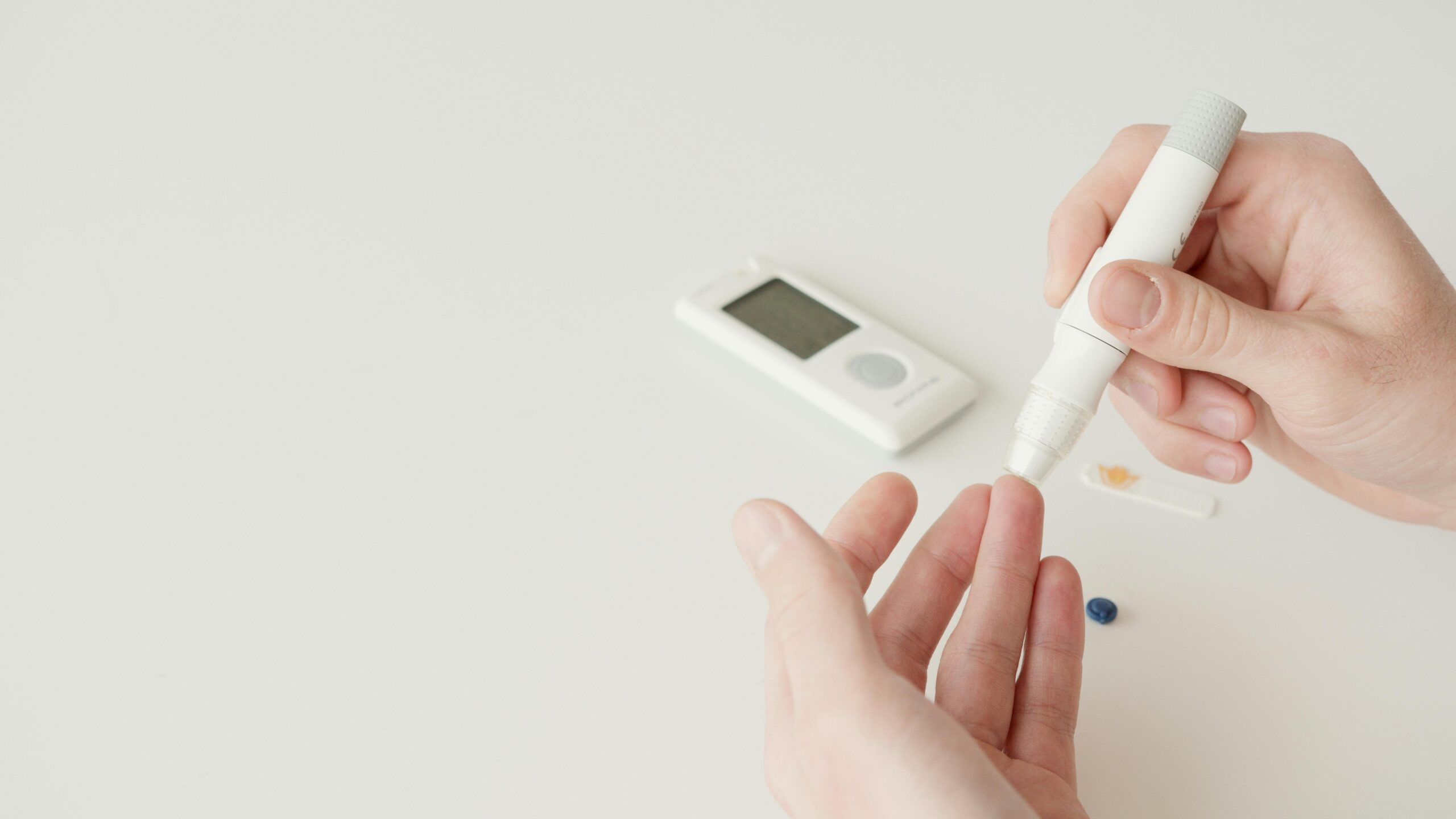
If you’ve ever felt tired after eating, craved sweets late at night, or struggled with stubborn belly weight, there’s a good chance your blood sugar — and your Healthy Blood Sugar Levels — aren’t as stable as they should be.
And here’s the truth most people don’t realize:
Blood sugar balance isn’t just about diabetes.
It affects your energy, mood, hunger levels, sleep quality, and even long-term metabolic health.
In this guide, I’ll break everything down in simple, practical terms so you understand:
What blood sugar really means
Why it spikes
How to support it naturally
When supplements may help
And when you should talk to a doctor
Let’s start from the basics.
What Is Blood Sugar and Why Does It Matter?
Blood sugar (glucose) is your body’s main energy source.
When you eat carbohydrates, your body breaks them down into glucose. That glucose enters your bloodstream, and your pancreas releases insulin to help move it into your cells for energy.
When this system works smoothly, you feel:
- Energized
- Focused
- Mentally clear
- Stable between meals
But when it doesn’t?
You might experience:
- Post-meal fatigue
- Sugar cravings
- Brain fog
- Weight gain
- Mood swings
Over time, frequent spikes and crashes can contribute to insulin resistance — a condition where your cells stop responding properly to insulin.
That’s when long-term problems begin.
What Causes Blood Sugar Spikes?
Most people think sugar alone causes spikes.
It’s not that simple.
Here are the biggest triggers:
1️⃣ High Refined Carbohydrates
White bread, pastries, sugary drinks, and ultra-processed snacks digest quickly and flood your bloodstream with glucose.
2️⃣ Sedentary Lifestyle
Muscles use glucose for energy. When you don’t move much, your body becomes less efficient at using sugar.
3️⃣ Chronic Stress
Stress hormones like cortisol can increase blood sugar levels.
4️⃣ Poor Sleep
Even one night of bad sleep can reduce insulin sensitivity.
5️⃣ Excess Abdominal Fat
Visceral fat (belly fat) is strongly linked to insulin resistance.
This is why blood sugar management is about lifestyle — not just food.
Signs Your Blood Sugar May Be Unstable
You don’t need a diagnosis to notice early warning signs.
Common symptoms include:
- Feeling sleepy after meals
- Intense carb cravings
- Frequent hunger
- Difficulty losing weight
- Afternoon energy crashes
- Irritability when hungry
If you experience these regularly, your body may be struggling with glucose regulation.
How to Naturally Support Healthy Blood Sugar Levels
Now let’s focus on solutions.
Here are realistic, science-supported strategies you can start today.
✔ 1. Prioritize Protein and Fiber
Protein and fiber slow down glucose absorption.
Instead of:
Toast + juice
Try:
Eggs + vegetables
Greek yogurt + nuts
Oats + chia seeds
Small changes make big differences.
✔ 2. Walk After Meals
Even a 10–20 minute walk after eating can significantly improve glucose uptake.
Muscles act like a sponge for blood sugar.
This is one of the simplest and most effective strategies.
✔ 3. Improve Sleep Quality
Aim for 7–8 hours of consistent sleep.
Sleep deprivation directly affects insulin sensitivity.
No supplement can replace this.
✔ 4. Strength Training
Building muscle improves your body’s ability to use glucose.
Even 2–3 sessions per week helps.
✔ 5. Manage Stress
Breathing exercises, prayer, journaling, or light stretching can help lower cortisol.
Lower stress = better blood sugar stability.
Do Natural Supplements Help?
Here’s where many people get curious.
Some herbal ingredients have been studied for their potential role in glucose regulation.
For example:
- Gymnema Sylvestre has been researched for supporting healthy glucose levels.
- African Mango has been studied for metabolic and weight-related markers.
- Adaptogens like Eleuthero may support stress-related energy balance.
You can read a full ingredient-level breakdown in our detailed GlucoTonic review.
Important: Supplements should support lifestyle — not replace it.
When Should You See a Doctor?
Lifestyle strategies are powerful.
But you should consult a healthcare professional if you:
- Have fasting glucose consistently above normal
- Experience dizziness or fainting
- Are already taking diabetes medication
- Notice unusual symptoms
Blood sugar health is serious.
Early action prevents long-term complications.
A Simple 7-Day Reset Plan
If you’re unsure where to start, try this:
Day 1–2:
Cut sugary drinks and processed snacks.
Day 3–4:
Add a 15-minute post-meal walk.
Day 5–6:
Increase protein at breakfast.
Day 7:
Track how your energy feels compared to last week.
Small habits create lasting change.
Realistic Expectations
You won’t “fix” blood sugar in 3 days.
But you can notice:
- More stable energy
- Reduced cravings
- Better focus
- Less post-meal sleepiness
Consistency matters more than perfection.
Final Thoughts
Healthy blood sugar isn’t just about avoiding diabetes.
It’s about:
- Stable energy
- Better mood
- Weight balance
- Long-term metabolic health
Start with lifestyle improvements.
If needed, consider evidence-supported supplements as a secondary tool.
But remember:
Habits build health — not quick fixes.

Ammar is a health supplement researcher and professional content writer with over five years of experience analyzing nutritional formulas, clinical studies, and ingredient safety profiles.
He specializes in reviewing blood sugar, metabolic health, and weight management supplements using evidence-based research and publicly available clinical data.
Before publishing any review, Ammar carefully examines ingredient transparency, scientific support, potential side effects, and manufacturer credibility to provide balanced, unbiased insights.
His goal is simple: to help readers make informed decisions based on research — not marketing hype.
When he’s not analyzing supplement formulations, he studies emerging research in metabolic health and natural medicine to stay updated with the latest scientific findings.